What counts as an emergency
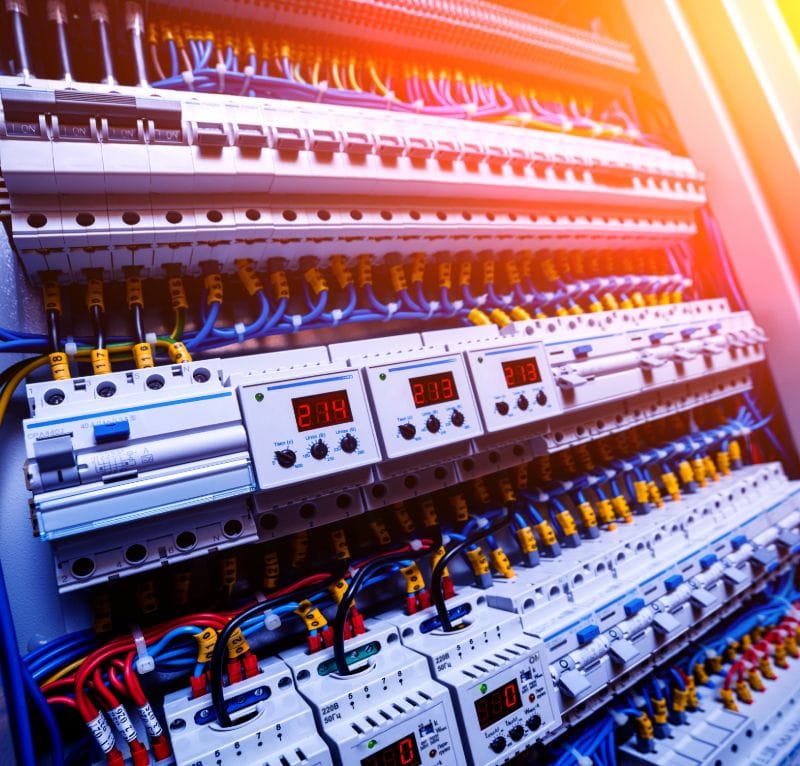
Power outages that aren't the network. Smoke or burning smell from a switchboard. Sparking outlet or switch. Hot water out completely with a function in 24 hours. Smoke alarms that have failed and need replacement before the night. Storm damage that's left exposed wiring or a tripped main switch that won't reset.
The after-hours process
The emergency line takes the call, a quick triage decides whether it's something we can talk through over the phone (most "the power is out" calls turn out to be a tripped RCD that resets in 60 seconds) or whether we need to attend. If we attend, we tell you the rate before we set out, so the bill at the end of the night isn't a surprise.
What we'll do once we're there
Make the property safe first — isolate the affected circuit, identify the immediate cause, and get the rest of the property back to a usable state if the affected circuit is non-critical. Permanent repairs that need parts or daylight are scheduled for the next business day. The after-hours visit is invoiced separately from any follow-up work, with a clear paper trail on what was done that night.