
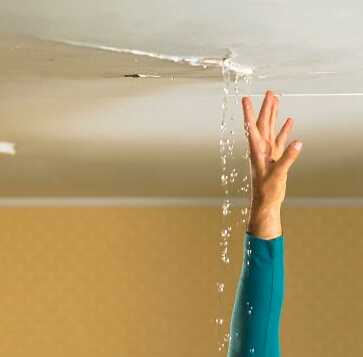
Find it without ripping things up
Thermal imaging (leak shows up as a temperature anomaly), acoustic listening (pressurised water makes a sound specialised mics pick up through tiles and concrete), and tracer-gas (for gas leaks). Combined, these narrow a slab or cavity leak to within a 200–400mm radius before any cutting. Cheaper, faster and less damaging than the old 'open it up till you find it' approach.
When to suspect a hidden leak
Unexpected jump in your water bill, a section of floor that's persistently warm or cool, the sound of running water with everything off, water meter ticking with the property shut down, paint blistering or skirting lifting on an internal wall, musty smells without an obvious source. Any of those warrant a leak detection call — letting them run silently is the expensive path.
Insurance & the cost of investigation
Most home insurers cover the cost of locating a hidden leak as part of an escape-of-water claim. The repair work itself usually has separate cover. We'll provide a written report and photos — that's what your insurer will want to assess the claim. Check your policy wording before you book; in practice we very rarely see this knocked back.
Who we work with
Residential
Slab leaks, wall-cavity leaks, ceiling moisture, unexplained bill jumps.
Insurance
Cost of investigation reports for escape-of-water claims.
Commercial
Multi-unit leak isolation, base-build infrastructure, roof ingress diagnosis.
Questions, answered.
Six to eight evergreen Q&As — the things customers actually ask before booking us for leak detection.
How do you find a leak without ripping up the floor?
We use thermal imaging (a leak shows up as a temperature anomaly through walls and floors), acoustic listening equipment (water pressurised in a pipe makes a characteristic sound that specialised microphones pick up through tiles and concrete), and tracer-gas where the leak is gas rather than water. Combined, these usually narrow a slab leak or wall-cavity leak to within a 200–400mm radius before any cutting is needed. Cheaper, faster and less damaging than the old approach of opening sections until you find it.
When should I suspect a leak inside a wall or under the slab?
Unexpected jump in your water bill, a section of the floor that's persistently warmer (could be a hot water line leaking) or persistently damp/cool, the sound of running water when no taps are on, water meter ticking over with everything off, paint blistering or skirting board lifting on an internal wall, or musty smells without an obvious source. Any of those warrant a leak detection call — letting them run silently is the expensive path.
Will my insurance cover the cost of finding the leak?
Often yes — most home insurers cover the cost of locating a hidden leak (the so-called 'cost of investigation') as part of an escape-of-water claim. The repair work itself usually has separate cover. We'll provide a written report and photos of what we found, which is what your insurer will want to assess the claim. Check your specific policy wording or have your insurer confirm before you book — but in practice we very rarely see this knocked back.
What happens once the leak is located?
We'll show you exactly where the leak is, what's causing it (perished joint, hot water line corrosion, slab settlement, etc.) and quote the repair. The repair scope is usually small once the location is precise — a tile or two lifted, a section of wall opened, the affected pipe section replaced and rejoined, restoration of finishes. Compared to the 'guess and dig' approach, the repair is usually 70–80% smaller scope.
Do you do leak detection on roofs and stormwater too?
Yes — water ingress through a roof or a poorly-flashed wall penetration is detected with a combination of moisture mapping (where in the ceiling does the moisture sit relative to roof structure), water testing (controlled hose to suspected ingress points), and thermal imaging from inside. Stormwater leaks (e.g. a buried agi-pipe blocked or collapsed) are detected with camera inspection and pressure testing of the line.
How quickly can you come out for leak detection?
Standard bookings within 1–2 business days. Active leaks where water is currently flowing and causing damage — same day, treated as emergency call-outs. The faster a leak gets isolated, the smaller the eventual repair and remediation cost. We'd rather come and locate it today than have you mop for another week.
Can you fix the leak the same day you find it?
Sometimes — depends on the access (is the pipe in an accessible cavity or under a tiled slab) and the materials (replacement section, fittings). For simpler leaks (accessible copper joint, a tap valve, a visible-cavity pipe), yes. For slab leaks or hidden cavity work that needs tile removal and reinstatement, we usually schedule the repair as a follow-up so the affected area can be properly opened, repaired, dried, and finished. We'll quote both the detection and the repair scope together.