Why Natural Fibres Need Specialist Care
Natural fibre rugs — wool, sisal, jute, seagrass, cotton — are beautiful, durable, and eco-friendly. But they're also unforgiving when cleaned incorrectly. The wrong chemistry or too much moisture can cause irreversible shrinkage, browning, colour bleed, or structural damage.
Andrew's WoolSafe approval demonstrates he has completed the specialist training and uses certified chemistry specifically tested as safe for wool and natural fibres. He inspects every rug individually — assessing fibre type, dye stability, and construction — before selecting the appropriate cleaning method.
Andrew is independently certified to clean wool and natural fibre rugs safely — using only chemistry that has passed WoolSafe's rigorous testing protocol for fibre safety.
Rug Types We Clean
Wool Rugs
Hand-knotted and machine-made. WoolSafe-approved chemistry only — no risk of shrinkage or colour loss.
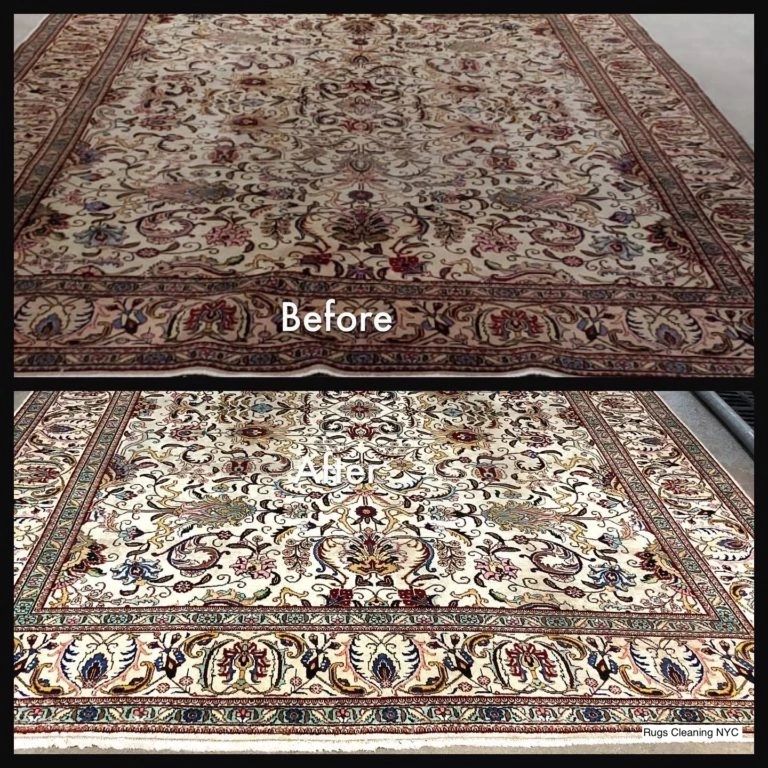
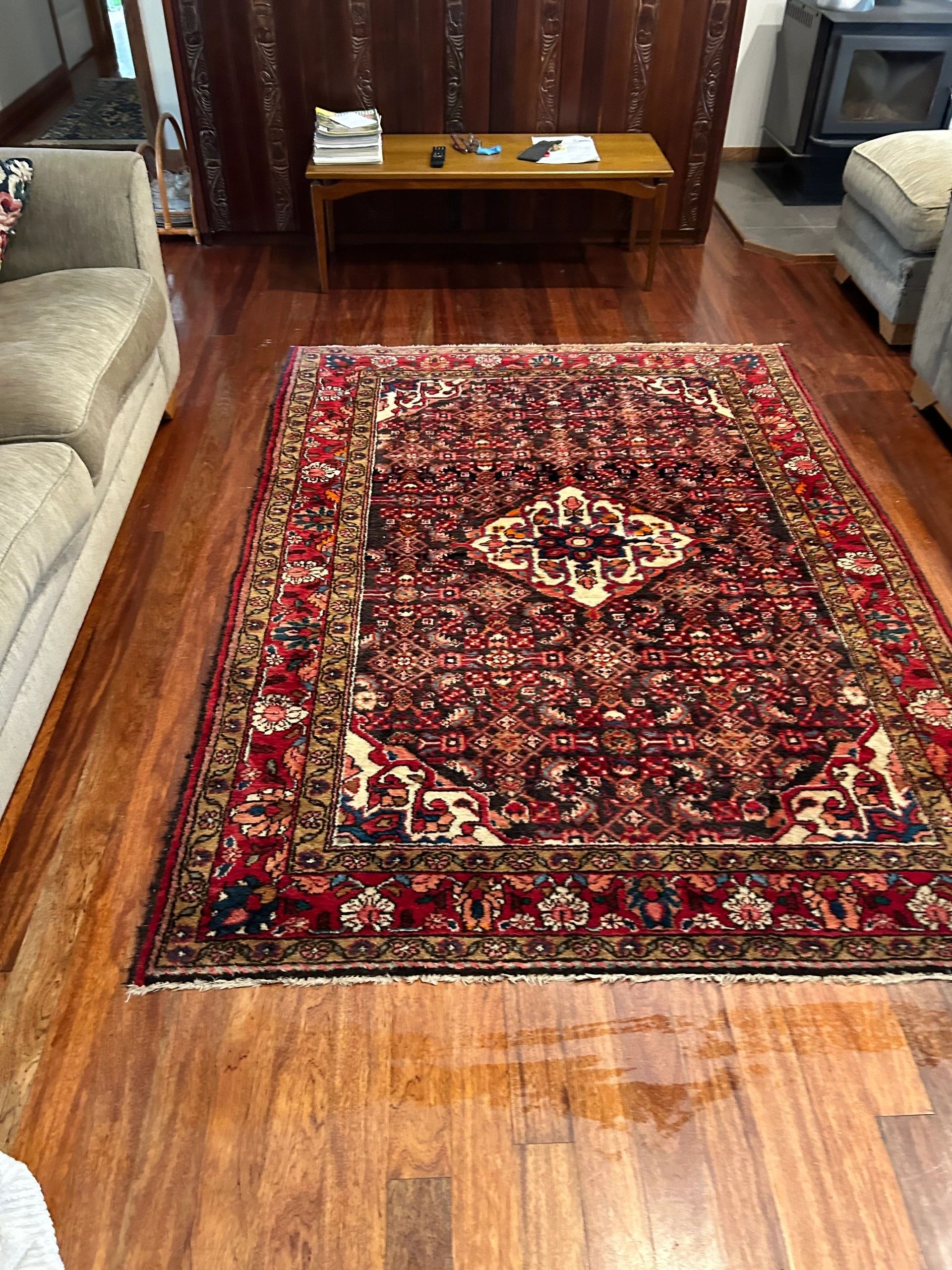
Persian & Turkish
Hand-knotted antique and traditional rugs handled with dye stability testing before any cleaning.
Sisal & Jute
Plant fibres sensitive to moisture — low-moisture or dry methods prevent browning and shrinkage.
Seagrass & Coir
Highly absorbent natural fibres cleaned with specialised low-moisture techniques.
Cotton Rugs
Machine-washable and hand-made cotton rugs. Dye-stable cleaning with full rinse extraction.
Silk Blend
Delicate silk and silk-blend rugs handled with ultra-low moisture and pH-neutral chemistry only.
Gallery
Frequently Asked Questions
What does WoolSafe approved mean?
WoolSafe is an independent international certification body that tests cleaning products and processes to ensure they are safe for use on wool and delicate natural fibres. A WoolSafe approved service provider has demonstrated the knowledge and uses approved chemistry that won't damage or shrink wool rugs.
Can sisal and jute rugs be wet-cleaned?
Plant-based natural fibres like sisal, jute, and seagrass are highly sensitive to moisture and can shrink, brown, or develop water marks if wet-cleaned incorrectly. Andrew uses low-moisture or dry-cleaning methods for these fibre types to clean effectively without moisture damage.
How often should a wool rug be professionally cleaned?
Most wool rugs in residential settings benefit from professional cleaning every 12–18 months, with regular vacuuming in between. High-traffic areas or homes with pets may require more frequent cleaning.
Can you clean antique or hand-knotted rugs?
Yes — antique and hand-knotted rugs require the most careful handling. Andrew inspects each rug for dye stability and fibre condition before selecting the safest cleaning method, using only WoolSafe-approved chemistry.
What if my rug bleeds colour during cleaning?
Before cleaning, Andrew performs a dye stability test on all natural fibre and hand-dyed rugs. If dye migration is a risk, he uses colour-safe chemistry and low-moisture methods to clean without causing colour loss.
Do you clean Persian and Turkish rugs?
Yes. Persian and Turkish rugs are typically hand-knotted wool and require specialist care. Andrew has extensive experience with these rug types and uses appropriate cleaning methods to preserve their structure and colour.